
Temporomandibular joint disorders, often called TMJ disorders or TMD, can affect the jaw joints and the muscles used for chewing and speaking. Jaw pain, clicking, headaches, tenderness, or difficulty opening and closing the mouth can have several possible causes. Cameron Park Dental Care evaluates your symptoms, jaw function, bite, and oral health before discussing appropriate next steps.
Ready to talk through your jaw symptoms? Call Cameron Park Dental Care at (530) 676-0400 or request an appointment online.
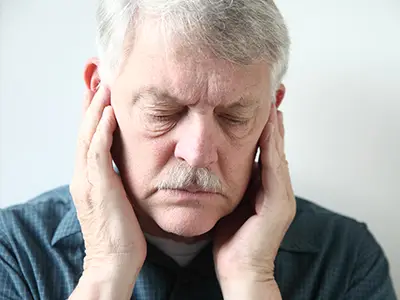
The temporomandibular joints connect the lower jaw to the skull and allow the jaw to move for chewing, speaking, yawning, and other everyday functions. Each joint works with surrounding muscles, ligaments, and a small disc that helps the jaw move smoothly. Because the jaw performs several kinds of movement, problems involving the joint, muscles, bite, or surrounding tissues can feel different from one person to another.
TMJ symptoms can be temporary for some people and persistent for others. A dental evaluation can help determine whether your symptoms may be related to the jaw joint, muscle tension, teeth grinding, an injury, arthritis, or another concern that needs different care.
Possible symptoms include:
These symptoms can overlap with other dental or medical conditions. This list is for general education and is not a diagnosis. Contact a dental or medical professional for an evaluation if symptoms persist, worsen, or interfere with eating, speaking, sleeping, or daily activities.
Your visit starts with a conversation about your symptoms, their timing, and any habits or events that may be contributing. The dentist can assess jaw movement, joint sounds, muscle tenderness, teeth, bite, and signs of clenching or grinding. Diagnostic images or other tests may be recommended when they are needed to understand the concern.
After the assessment, the practice can explain what was observed, discuss options that may fit your situation, and answer questions about the expected process. Treatment decisions are individualized. Not every symptom requires the same appliance, procedure, or referral.
Depending on the evaluation, care may include one or more of the following:
The goal of an evaluation is to match the next step to the likely source of the symptoms. Cameron Park Dental Care will explain the available options and any limitations before treatment is recommended.
Clenching and grinding, also called bruxism, can place repeated pressure on teeth, jaw muscles, and the temporomandibular joints. A custom night guard is made to fit your mouth and can help keep the teeth separated during sleep. When appropriate, it may help protect teeth from grinding-related wear, chips, or cracks and reduce excess strain on the jaw muscles and joints.
A night guard is not the right answer for every cause of jaw pain. Cameron Park Dental Care can evaluate your symptoms and discuss whether a custom appliance or another approach makes sense. Learn more about custom night guards for teeth grinding.
If jaw symptoms are bothering you, general measures may include choosing softer foods for a short period, avoiding gum and extreme jaw movements such as very wide yawning, and using cold or moist heat only as directed by a dental or medical professional. Relaxation and stress-reduction techniques may also be helpful for some people. Do not force the jaw to open, begin exercises without guidance, or assume that a night guard is appropriate without an evaluation.
For a broader assessment of oral health and jaw function, you can also learn about comprehensive oral exams.
Request prompt professional guidance for severe or worsening jaw pain, a jaw that locks open or closed, swelling, symptoms after an injury, difficulty eating or drinking, or symptoms that interfere with sleep or daily activities. If you have trouble breathing or swallowing, or another medical emergency, seek emergency care.
What is the difference between TMJ and TMD?
TMJ refers to the temporomandibular joint. TMD is a broader term for disorders involving the jaw joints, jaw muscles, or related structures. People often use TMJ as a general term for these conditions.
Can a night guard help with TMJ symptoms?
A custom night guard may help protect teeth and reduce grinding-related strain for some patients. It is not appropriate for every type of jaw pain, so a dentist should evaluate the symptoms, teeth, bite, and jaw function before an appliance is recommended.
How is a TMJ disorder evaluated?
The evaluation may include a symptom history, examination of jaw movement and joint sounds, review of the teeth and bite, assessment of muscle tenderness or grinding signs, and diagnostic imaging or other tests when needed.
Should I be worried if my jaw clicks?
Jaw sounds can have different causes and do not always mean the same thing. Clicking or popping should be discussed with a dental professional when it occurs with pain, locking, limited movement, tenderness, tooth wear, or a change in how your bite feels.
What should I do next?
Call Cameron Park Dental Care at (530) 676-0400 or request an appointment online so the practice can learn more about your symptoms and discuss an appropriate evaluation.
Take the next step toward understanding your jaw symptoms. Request an appointment with Cameron Park Dental Care in Cameron Park, or call (530) 676-0400.