For eligible patients, same-day crowns can replace a damaged or weakened tooth in one visit by combining digital scanning, computer-aided design, and chairside milling. Your dentist prepares the tooth, captures its shape digitally, designs the restoration, checks the fit, and bonds the crown in place. Whether this approach is appropriate depends on your tooth, your overall treatment needs, and an in-person evaluation.
Request an appointment with Cameron Park Dental Care or call (530) 676-0400 to discuss your options.
For patients in Cameron Park, El Dorado Hills, and nearby El Dorado County communities. This digital workflow may make restorative care more convenient while keeping planning and communication in one practice. The process becomes easier to understand when you follow what happens from the initial evaluation through the final fit and placement.
How Do Same-Day Crowns Work?
Same-day crowns use a digital workflow to plan and create a dental crown in the practice rather than sending the design to an outside laboratory. Whether this approach is appropriate depends on an individual evaluation and the tooth’s treatment needs. At Cameron Park Dental Care, patients can learn more about CEREC single-visit crowns as part of that conversation.
What CAD/CAM means
CAD/CAM stands for computer-aided design and computer-aided manufacturing. In dentistry, this technology can support the design and creation of crowns and other restorations. Chairside CEREC is a CAD/CAM system designed to make restorations in the dental clinic. Published dental research explains the CAD/CAM concept and chairside workflow.
The scan, design, mill, and place process
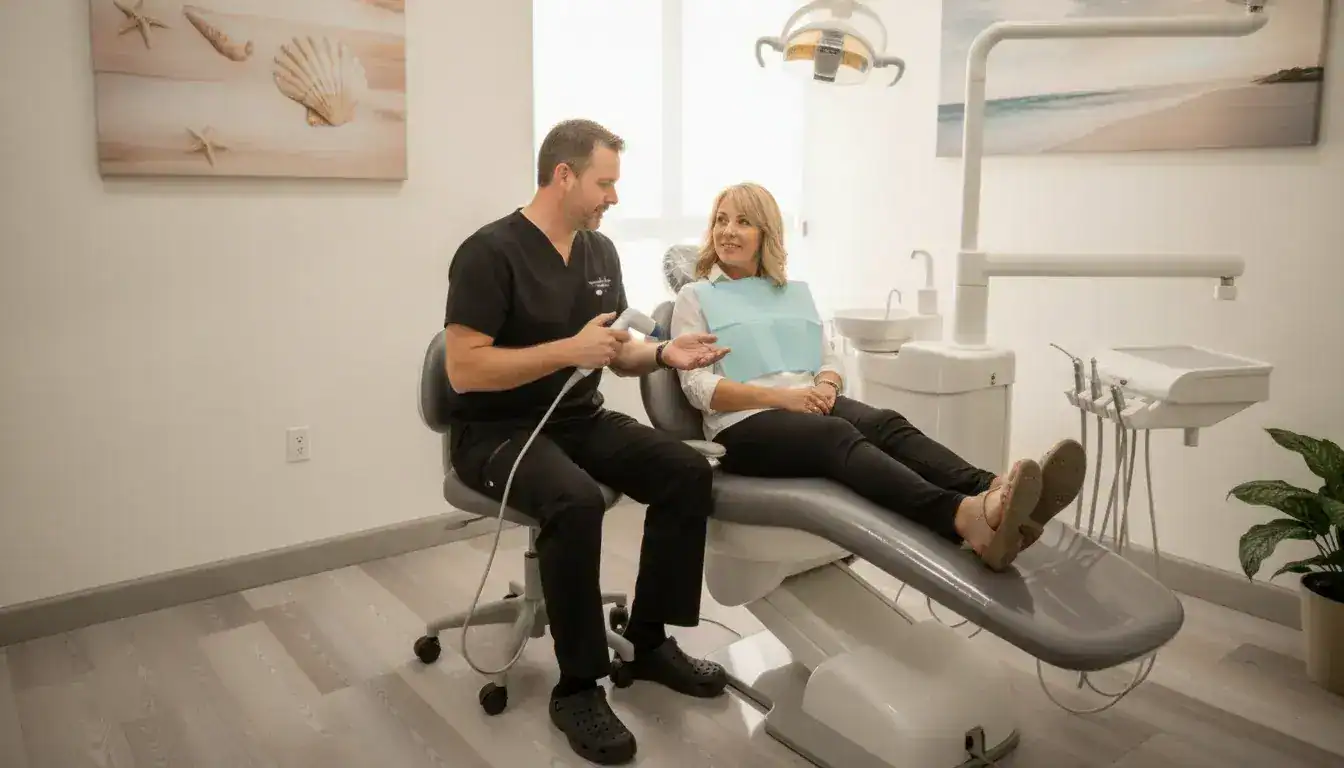
After the dentist prepares the tooth as needed, a small intraoral camera wand can capture detailed images of its surfaces. The images are transferred to software, which creates a three-dimensional model for the proposed crown. The dentist reviews and adjusts the digital design when needed, so the restoration is planned with the patient’s tooth and bite in mind. This scan and design process replaces the need for a traditional physical impression in the digital workflow.
Next, computer-guided equipment mills the crown material into the selected shape. The dentist checks the restoration in the mouth, makes any necessary refinements, and bonds it into place. A documented CEREC clinical workflow includes tooth preparation, impression taking, and adhesive luting. The exact sequence, material choice, and timing can vary by case, so a consultation is the right way to determine what may fit your needs.
What Happens During a Same-Day Crown Appointment?
In Cameron Park, a same-day crown appointment follows a careful sequence rather than skipping evaluation or quality checks. The exact plan depends on the tooth, your oral health, and the type of restoration your dentist recommends. A typical CEREC workflow may include these steps:
- Evaluation and planning. The dentist examines the tooth and discusses whether a crown is appropriate for your needs. This is also the time to review treatment choices, expected care, and any questions about comfort or timing.
- Tooth preparation. If a crown is selected, the dentist prepares the tooth by removing damaged or weakened areas and shaping the remaining structure so the restoration can fit properly. Tooth preparation is a documented part of the CEREC workflow.
- Digital impression. Instead of relying on a traditional impression material, the team may use an intraoral camera wand to capture detailed images of the tooth. The images are used to create a three-dimensional model for the crown design. Learn more about digital crown scanning and design.
- Computer-aided design. The software creates a proposed crown based on the digital information. Your dentist reviews the design and can make adjustments to its shape, contact points, and fit before it is produced. CAD/CAM refers to computer-aided design and computer-aided manufacturing.
- In-office milling. Once the design is approved, computer-guided equipment mills the restoration from the selected dental material. Chairside CEREC systems are designed to produce restorations within the dental practice rather than sending every case to an off-site laboratory.
- Fit and appearance check. The dentist evaluates how the crown fits against the prepared tooth and how it relates to your bite and surrounding teeth. Adjustments may be made when needed before final placement.
- Bonding and care instructions. After the fit is accepted, the crown is bonded or adhesively luted into place. The dentist then explains how to care for it and what to watch for afterward. Not every patient or case follows the same schedule, so an evaluation is the best way to understand whether this workflow may suit you.
Cameron Park Dental Care offers CEREC same-day crowns, with more than 20 years of experience using computer-generated CEREC crowns. The practice can discuss your options during an individual restorative evaluation.
Who May Be a Candidate for a Same-Day Crown?
A same-day crown may be an option when a tooth needs a full-coverage restoration and the clinical conditions support completing the planning, design, fabrication, and placement in one visit. However, eligibility is not automatic. Your dentist needs to evaluate the tooth, surrounding tissues, bite, and overall treatment needs before recommending a restoration approach. The right plan depends on the individual situation, not simply on a preference for a faster appointment.
Some teeth may be better served by a different restorative treatment. The amount and location of damaged tooth structure, the type of restoration needed, material considerations, and other clinical factors can influence the recommendation. A crown is not the answer for every tooth that has a cavity or other concern. In some cases, dental filling treatment options may be more appropriate, while another situation may call for a traditional laboratory workflow or a different treatment sequence.
Material selection also matters. Different ceramic and restorative materials have distinct characteristics, and research describes both benefits and limitations when comparing digital chairside workflows with conventional approaches. You can review the broader considerations in this guide to ceramic crown material options, then discuss which choices may fit your needs during an evaluation.
At Cameron Park Dental Care, the team can explain whether a CEREC crown workflow is suitable for your tooth and what alternatives may make sense. Patients from Cameron Park, El Dorado Hills, Shingle Springs, Placerville, and Folsom can request an assessment rather than assuming that every crown can be completed the same day.
Same-Day Crowns vs. Traditional Crowns: What Changes?
The main difference is where the crown is designed and made, and how that affects the overall sequence of care. A digital, chairside workflow may allow the dental team to scan, design, mill, evaluate, and place a crown during one planned visit when the case is appropriate. A traditional workflow commonly sends the impressions or digital records to an off-site dental laboratory, so the permanent crown is made outside the practice.
| Consideration | Same-day crown workflow | Traditional crown workflow |
|---|---|---|
| Workflow | Digital records can support in-office design, milling, fit evaluation, and placement. | The tooth is prepared and records are sent to a dental laboratory for fabrication. |
| Fabrication | The crown may be designed and produced with chairside CAD/CAM equipment. | The permanent restoration is fabricated by an off-site laboratory before it returns to the practice. |
| Visits | Some suitable cases may be completed in one visit, depending on evaluation and treatment needs. | Care generally includes a preparation visit and a later visit to place the completed crown. |
| Temporary restoration | A temporary crown may not be needed when the final restoration is completed during the same visit, although individual plans vary. | A temporary restoration may be used while the laboratory makes the permanent crown. |
| Planning | Digital design and in-office production can streamline coordination, but the dentist still checks fit and function. | Additional coordination with the laboratory is built into the treatment timeline. |
| Decision factors | Suitability depends on the tooth, restoration required, available materials, and the dentist’s evaluation. | The laboratory workflow may be selected when it better fits the restoration or the patient’s needs. |
Neither workflow is automatically right for every patient. During an evaluation, ask which approach fits the tooth being treated, what visits are expected, and why the dentist recommends that plan.
What Are the Benefits and Limitations?
For the right situation, a digital crown workflow can make restorative care more convenient. Chairside CAD/CAM technology may reduce some of the time and effort involved in conventional restorative treatment because scanning, design, and milling can take place within the dental practice. Research describes CAD/CAM as a method for computer-aided design and computer-aided manufacturing, with both advantages and limitations compared with traditional laboratory workflows.
Patients may appreciate fewer steps outside the practice, a digital impression process, and the opportunity for the dentist to review and adjust the design before the crown is made. That does not mean every case can be completed in one visit. The condition of the tooth, the type of restoration needed, material selection, bite, aesthetics, and the overall treatment plan can affect whether same-day crowns are appropriate and how the appointment is scheduled.
Cameron Park Dental Care offers CEREC same-day crowns and documents more than 20 years of experience with computer-generated CEREC crowns. This is a practice capability, not a promise that a particular patient will qualify or achieve a specific result. An evaluation is the appropriate way to discuss the available options for your tooth.
Durability also depends on factors such as the restoration, tooth, bite, and daily care. For general background, read this guide to how long dental crowns last. Your dentist can explain what is realistic for your circumstances and provide care instructions after placement.
How Should You Care for a New Crown?
After a crown is placed, follow the personalized instructions from your treating dentist. Guidance may vary depending on the tooth, the restoration, and how the procedure was completed. If your dentist recommends waiting before eating or gives specific cleaning instructions, those directions should take priority over general advice.
In general, care for a crowned tooth is similar to caring for your natural teeth. Brush twice a day with a soft-bristled toothbrush and clean between your teeth daily. Regular dental examinations and cleanings also give your dental team an opportunity to check the crown and the surrounding teeth and gums.
- Use the brushing and flossing method recommended by your dentist.
- Avoid chewing ice, pen caps, or other very hard objects with the crowned tooth.
- Contact your dental office if the crown feels loose, remains uncomfortable, or changes the way your bite feels.
- Keep recommended follow-up visits, even if the crown feels normal.
A crown’s service life depends on factors such as oral hygiene, bite forces, habits, and the condition of the supporting tooth. It is better to think of aftercare as ongoing maintenance rather than a guarantee of a particular result. For more context, read about how long dental crowns last and when a dentist may assess a restoration.
What Should Cameron Park Patients Ask Before Treatment?
If you are considering same-day crowns in Cameron Park, an evaluation should be a conversation, not a decision made from a checklist alone. Patients from El Dorado Hills, Shingle Springs, Placerville, and nearby communities can bring questions that help clarify whether a digital crown workflow fits their tooth, treatment needs, and schedule.
Questions to ask about your treatment
- Why do you recommend a crown for this tooth, and are there other restorative options to discuss?
- Am I a candidate for a same-day crown, or would my case be better completed through a different workflow?
- What will happen during the evaluation, preparation, digital scan, design, fit check, and placement?
- Which material and restoration design are you recommending, and why are they appropriate for this tooth?
- Could the treatment require more than one visit, additional planning, or a temporary restoration?
- What should I expect after placement, and which care instructions should I follow?
These questions invite a patient-specific explanation without assuming that every crown can be completed in one visit. Treatment timing and suitability depend on the clinical evaluation. Cameron Park Dental Care is an owner-operated private practice led by Dr. Randy Davey, and the practice documents more than 20 years of experience with computer-generated CEREC crowns. You can learn more about Dr. Davey’s CEREC experience before your appointment.
To discuss your questions with Cameron Park Dental Care, request an appointment online or call (530) 676-0400.
Frequently Asked Questions
How do same-day crowns work?
After the tooth is prepared, a digital scan captures its shape. Software uses the images to create a three-dimensional crown design, which the dentist can adjust before computer-guided equipment mills the restoration. The crown is then checked for fit and bonded when appropriate. This CAD/CAM process is described in clinical literature and patient education from Mayo Clinic.
How long does a same-day crown appointment take?
A one-visit crown appointment can include evaluation, preparation, scanning, design, milling, fit checks, and placement. The total time depends on the tooth, the planned restoration, and any treatment needed first, so an exact duration cannot be promised before an evaluation.
Does everyone qualify for a same-day crown?
No. Candidacy depends on the condition of the tooth, the amount of restoration needed, the selected material, and your overall treatment plan. Your dentist will determine whether an in-office crown is appropriate or whether another approach would better support your needs.
Do same-day crowns require a temporary crown?
Some patients may be able to receive a final restoration during the same visit, which can reduce the need for a separate temporary-crown appointment. However, the workflow and timing depend on the case. Your dentist can explain whether a temporary restoration is appropriate for you.
How should I care for a new crown?
Follow the treating dentist’s instructions, brush and clean between your teeth regularly, and avoid using the crown to bite very hard objects. Routine dental visits help your dentist monitor the restoration and the surrounding tooth over time.
Ready to Discuss Same-Day Crowns?
If you are considering a crown in Cameron Park or nearby El Dorado County, a consultation can help you understand whether a same-day approach fits your tooth, treatment needs, and comfort preferences. The next step is simple: call Cameron Park Dental Care at (530) 676-0400 to request an appointment or discuss your questions. Treatment timing and options depend on an individual evaluation.