If you have a dental crown, you may wonder how long it should last and how to know when it needs attention. A crown can protect a weakened tooth and restore comfortable function, but it is not indestructible. Its service life depends on the crown’s fit and material, the health of the tooth underneath, bite forces, daily habits, and home care. The most useful rule is simple: a crown does not need replacement just because it has reached a certain age. It needs an evaluation when its condition or the tooth around it changes.
Have a concern about a crown? Call Cameron Park Dental Care at (530) 676-0400 or request an appointment for an evaluation.
How long do dental crowns last?
There is no universal expiration date for a dental crown. Many crowns remain functional for many years, and some last considerably longer. Other crowns need repair or replacement sooner because of damage, loss of retention, decay at the margin, changes in the bite, gum problems, or changes in the tooth beneath them.
Two crowns placed at the same time can have very different histories. One tooth may receive more chewing force, one person may clench or grind during sleep, or one crown margin may be harder to keep clean. The original condition of the tooth also matters. For that reason, a general lifespan estimate can be useful background information, but it cannot tell you when your specific crown should be replaced.
The best way to assess an older crown is to look at the whole tooth. During an exam, the dentist may consider the crown’s edges, stability, contacts with neighboring teeth, bite, surrounding gum, and the amount of healthy tooth supporting it. Dental imaging may be appropriate when the tooth or supporting structures cannot be fully evaluated by looking alone.
What affects a crown’s lifespan?
The health of the tooth underneath
A crown covers the visible part of a tooth, but it does not make the remaining tooth structure immune to decay, cracks, infection, or other changes. The area where the crown meets the natural tooth needs careful cleaning. Plaque that remains along this margin can contribute to gum inflammation or decay in the tooth below the crown.
The tooth’s history can also affect its outlook. A tooth that had substantial damage or previous treatment may need closer monitoring than a tooth with more healthy structure. If the foundation changes, the crown may no longer be the only issue that needs attention. A dentist must evaluate whether the tooth remains stable and suitable for the current restoration.
Fit, bite, and chewing forces
A crown should fit securely and meet nearby and opposing teeth appropriately for your bite. A crown that feels high, contacts before the other teeth, catches food, or suddenly feels different should be checked. Do not file, reshape, or glue a crown yourself.
Clenching and grinding can place extra force on teeth and dental work, sometimes without the person realizing it. Chewing ice, biting hard objects, opening packages with your teeth, or biting fingernails can also add avoidable stress. These habits do not guarantee that a crown will break, but reducing them is a sensible way to protect a restoration. If you wake with jaw soreness or notice repeated wear or broken dental work, ask whether a custom night guard may be appropriate for you.
Material and design
Crowns can be made from ceramic, porcelain-based materials, metal, or combinations of materials. Each has different characteristics related to appearance, wear, strength, available space, and the tooth’s location. The material is only one part of the decision. The design, fit, bite, remaining tooth structure, and cleaning access matter too.
If you are considering a new restoration, Cameron Park Dental Care provides information about ceramic dental crowns. Your dentist can explain which options are suitable for the specific tooth and what maintenance questions to consider.
Daily care and routine visits
Good home care cannot make a crown last forever, but it helps protect the tooth and gum around it. Brush twice a day with fluoride toothpaste and clean between your teeth daily. Pay particular attention to the gumline around the crown. If flossing is difficult or food repeatedly collects in one area, ask a hygienist to demonstrate a cleaning method that fits your mouth.
Routine exams give the dental team a chance to identify changes before they become more advanced. Keep the visit schedule recommended for your oral health, even when the crown feels normal. A dentist who sees the same crown over time can compare its margins, surface, bite, and surrounding tissues from one visit to the next.
What are the signs a crown needs attention?
A symptom does not automatically mean that the crown must be replaced, but a new or persistent change deserves attention. The cause could involve the crown, the tooth underneath, the gum, a neighboring tooth, or the jaw. An exam is needed to identify the source.
- Pain or sensitivity: New discomfort when biting, or sensitivity to hot or cold, can have several causes. Note what triggers it and how long it lasts, then contact your dental office if it persists or worsens.
- A loose or shifting feeling: A crown that moves, rocks, or feels as if it is coming off should be assessed promptly. Avoid chewing on that side and never use household glue.
- A crack, chip, or rough edge: A sharp or damaged area can affect comfort and protection. Avoid hard foods and ask the dental office how soon you should be seen.
- Food catching in a new location: A change in how food catches may relate to the crown, a neighboring tooth, the contact between teeth, or the gum.
- Swelling, bleeding, or gum tenderness: Persistent inflammation around a crown should be evaluated rather than managed only by brushing harder.
- A changed bite: If the crown feels high or your teeth no longer meet as they did before, arrange an evaluation. Do not adjust it at home.
- A crown that has fallen out: Keep it in a clean container and call the dental office for instructions. Avoid chewing on the exposed tooth until you receive guidance.
If a crown has come off, do not assume it can safely be put back in place. The dentist must check whether it still fits and why it loosened. If you have significant swelling, severe pain, or a broken crown that is cutting your cheek or tongue, contact a dentist promptly. Difficulty breathing or swallowing requires emergency medical care.
Does an old crown always need to be replaced?
No. Age is useful history, but it is not enough by itself to decide whether a crown should be replaced. An older crown that is stable, comfortable, intact, cleanable, and protecting the tooth may be monitored. A newer crown may need attention if it is loose, damaged, poorly fitting, or associated with decay or another problem.
At a checkup, the dentist may assess the crown’s margins, chewing surface, contacts, gum, bite, and the tooth beneath it. Depending on the findings, the plan may be to monitor the crown, make a repair or adjustment, replace the crown, or address a different problem. The recommendation should be based on the clinical findings, not on a calendar deadline.
Monitoring is an active plan. If your dentist recommends keeping an older crown, ask what they are watching, when it should be reviewed, and what change should prompt an earlier call. This gives you a clear plan instead of leaving you to guess whether every minor sensation means the crown is failing.
What happens during a crown evaluation?
An evaluation usually begins with questions about when the crown was placed, why the tooth needed it, and what has changed. Tell the dentist whether the crown is still in place, whether it feels loose, whether you have pain or sensitivity, and whether chewing or temperature triggers the problem. If another dentist placed the crown, share any records you have, but a complete history is not required to begin an exam.
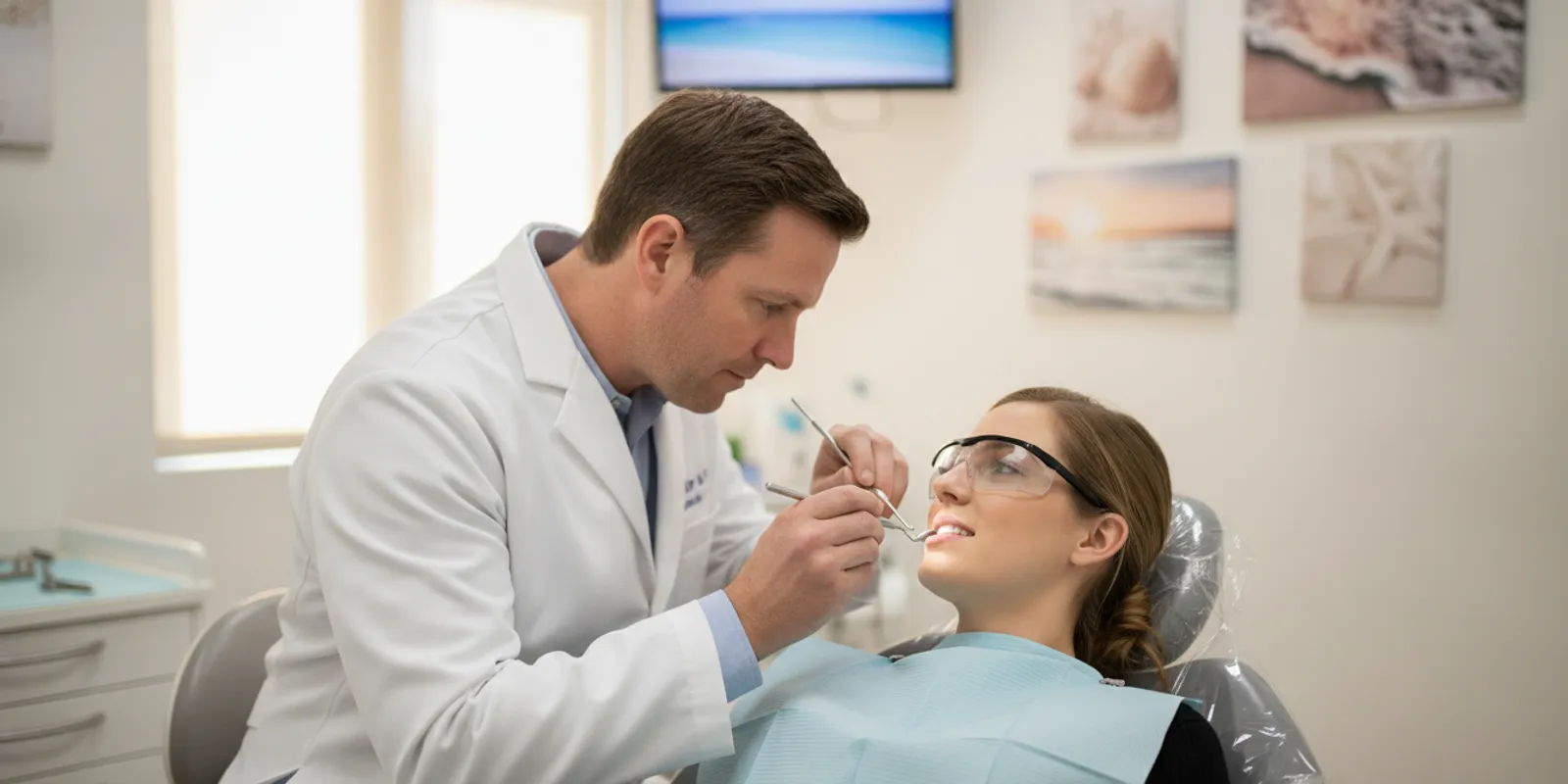
The dentist may visually inspect the crown and surrounding gum, check how the teeth meet, test the tooth and nearby teeth, and use dental imaging when indicated. These steps help distinguish a crown problem from decay, a crack, gum inflammation, bite-related discomfort, or an issue with another tooth.
Bring a short symptom history if the change is difficult to describe. Note when it started, what makes it better or worse, whether the crown has moved, and whether the symptom is stable or progressing. Do not repeatedly bite hard foods or press on the crown to test it. That can aggravate the area without identifying the cause.
What may happen if a crown needs repair or replacement?
The next step depends on what the exam shows. A crown with a minor issue may be monitored or adjusted when clinically appropriate. A damaged or loose crown may need repair or replacement. If decay, a crack, infection, or insufficient tooth structure is involved, the treatment plan may need to address the tooth before a new crown can be considered.
Ask the dentist what was found, which options are available, what each option is intended to accomplish, and what could happen if treatment is delayed. Treatment decisions depend on the specific tooth, the amount of healthy structure remaining, the condition of the surrounding tissues, and your overall oral health. A general article cannot determine which option is right for you.
If a crown is temporarily out, follow the dental office’s instructions. Keep the crown clean, do not force it onto the tooth, and avoid unapproved adhesives. The dentist needs to confirm that the crown and tooth are suitable before deciding whether it can be reattached.
How can you help a crown last?
- Clean around the crown every day. Brush the gumline carefully and clean between the crowned tooth and its neighbors.
- Reduce unnecessary pressure. Avoid chewing ice, hard non-food objects, and packages. Mention clenching or grinding at your next exam.
- Respond to changes early. Call when a crown becomes loose, painful, sharp, or different from the way it normally feels.
- Keep routine dental visits. Regular exams and cleanings help the team monitor the crown and the tooth supporting it.
- Follow the plan for your specific mouth. Your risk factors, gum health, bite, and dental history may affect how often you need follow-up.
Common questions about dental crowns
Can a dental crown last a lifetime?
Some crowns remain functional for a very long time, but no crown is guaranteed to last for life. Its outlook depends on the crown, the tooth underneath, bite forces, habits, home care, and regular professional monitoring.
Should I replace a crown just because it is old?
Not necessarily. A dentist should evaluate an older crown’s condition and the health of the tooth before recommending replacement. A stable crown may be monitored, while a newer crown can need attention if it has a defect or the tooth has changed.
Can a tooth with a crown still get a cavity?
Yes. The crown itself does not decay, but the natural tooth at its edge or underneath it can develop decay. Cleaning the margin and attending routine exams help the dental team monitor that area.
What should I do if my crown falls out?
Save the crown in a clean container, avoid chewing on the exposed tooth, and call your dental office. Do not use household glue or force the crown back into place.
Is pain under a crown always a sign that it needs replacement?
No. Pain can have more than one cause, including the crown, the tooth underneath, a neighboring tooth, the gum, or the bite. An examination is needed before deciding whether replacement is appropriate.
Discuss your crown with a Cameron Park dentist
A crown that feels normal may simply need routine monitoring, while a crown that has changed deserves an evaluation. Cameron Park Dental Care serves patients in Cameron Park and nearby communities with personalized general and restorative dental care. You can learn about comprehensive oral exams, contact the office, or call (530) 676-0400 to discuss the next step.
Contact Cameron Park Dental Care at (530) 676-0400 to discuss a dental crown concern, or request an appointment online for an evaluation.